
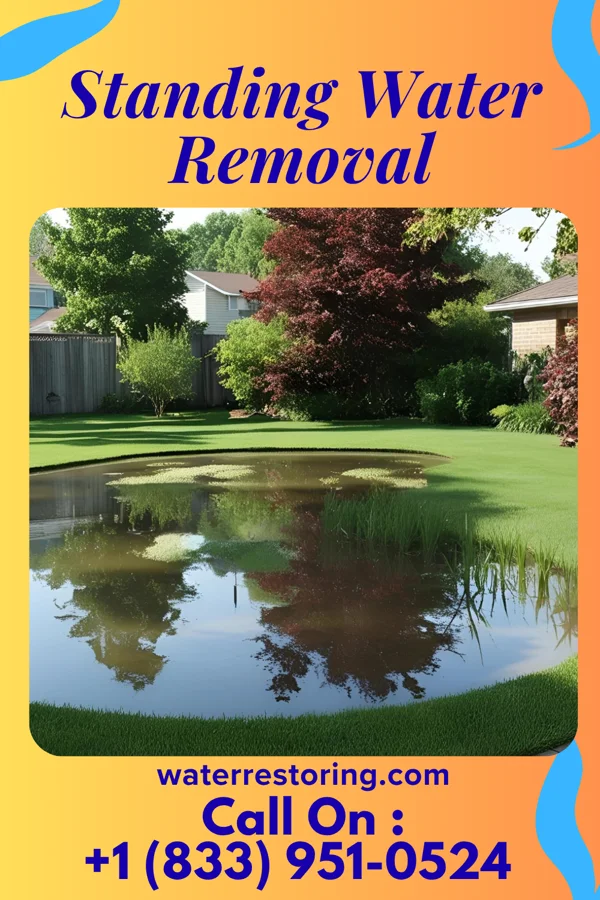
What Makes St. Mary's Standing-Water-Prone
Living in St. Mary's means dealing with In St. Mary's, Alaska, the primary water damage cause is often related to sudden flooding from rivers or melting snowmelt, especially during the spring thaw. Additionally, heavy rainfall and poor drainage in the rural areas contribute to water intrusion in homes and buildings. sooner or later. A close second is Secondary causes include leaking septic tanks, burst pipes in older infrastructure, and inadequate insulation leading to condensation in basements and crawl spaces. These issues are common in the remote and seasonal climate of St. Mary's.. The good news: water damage is fully recoverable when you catch it fast and bring in certified technicians.
St. Mary's experiences a subarctic climate with long, cold winters and short, wet summers. This creates a high risk of water damage from both freezing conditions and rapid thawing, which can lead to sudden flooding and structural issues.
Most standing water removal calls in St. Mary's come from In St. Mary's, Alaska, the primary water damage cause is often related to sudden flooding from rivers or melting snowmelt, especially during the spring thaw. Additionally, heavy rainfall and poor drainage in the rural areas contribute to water intrusion in homes and buildings.. Running a close second is Secondary causes include leaking septic tanks, burst pipes in older infrastructure, and inadequate insulation leading to condensation in basements and crawl spaces. These issues are common in the remote and seasonal climate of St. Mary's.. Local mold risk: Mold growth in St. Mary's can occur quickly due to high humidity and temperature fluctuations, making prompt water damage restoration critical to prevent health risks and long-term property damage.
For public guidance on the health effects of mold after prolonged water exposure, see the EPA mold and health page.